Spring planting season is almost here, and we’re excited to celebrate seed season with a special collaboration that brings community, education, and biodiversity together right here in Western Montana.
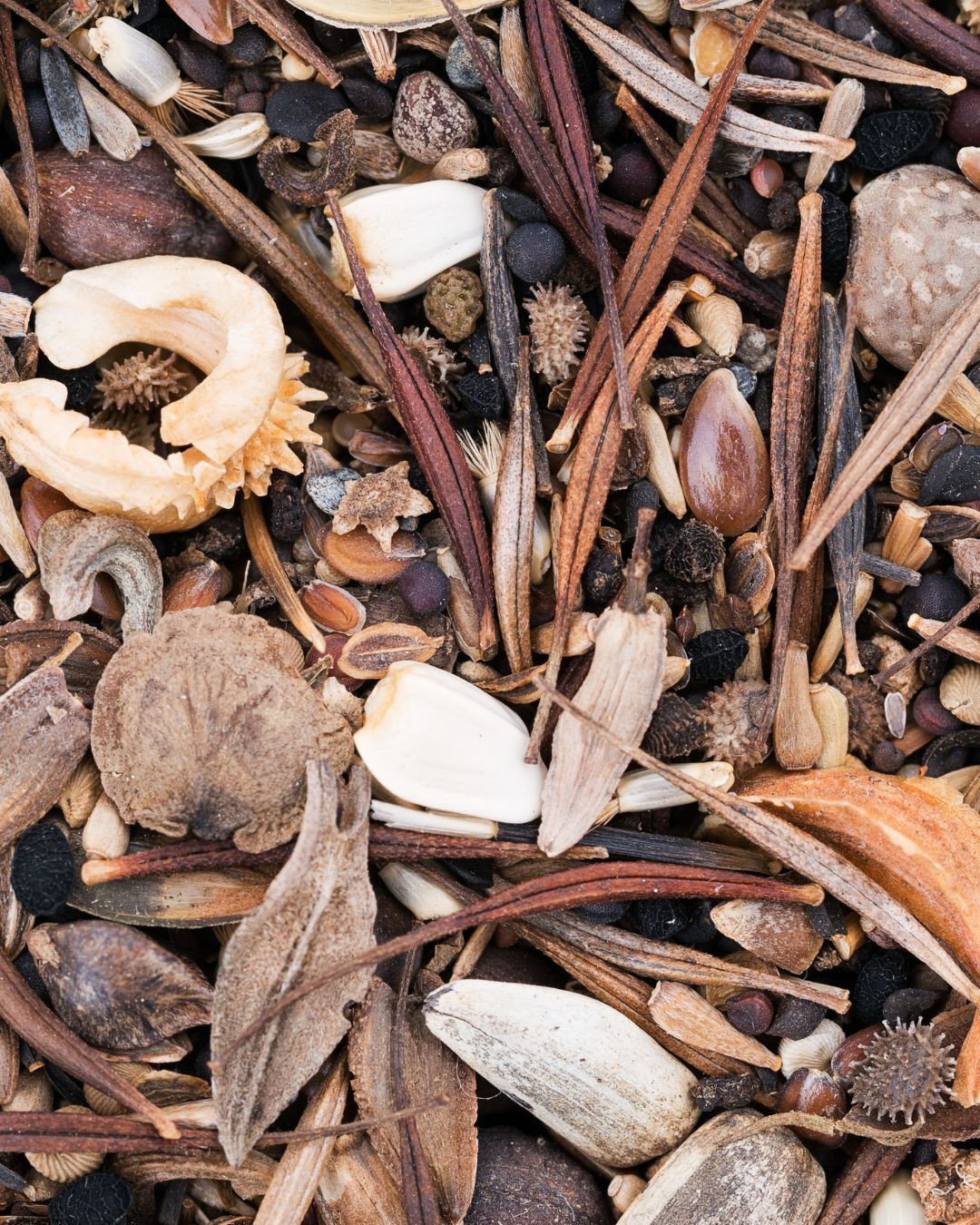
For over a year, three very dedicated Master Gardeners have been working with the Five Valleys Seed Library (FVSL) to curate and expand the seed collection housed at the Exploration Center’s historic card catalog. The Rocky Mountain Gardens are a project of the Missoula County Department of Ecology and Extension. In 2026, both partners will coordinate with Rocky Mountain Garden volunteers and Molly Anton, Coordinator, to start collecting seeds grown and harvested from the gardens. Master Gardeners will also take on organizing donations from the public and from FVSL, and help keep our seed stash stocked with a diversity of open-pollinated and heirloom varieties ready for future gardening seasons.
Come to the Seed Swap!
On Saturday, March 14, 2026, join us at the Exploration Center for the annual Seed Swap. This is a great opportunity to:
- Explore our seed collection and take free seed packets home to start your garden
- Exchange seeds you’ve saved from past harvests
- Meet local Master Gardeners and connect with other community gardeners
- Learn seed saving basics and get inspired for the season ahead
Seeds are a shared resource that connect us to local food security, biodiversity, and gardening traditions. There are currently 16 seed libraries across Montana, offering free access to seeds and opportunities for gardeners to give back by returning seed from their own harvests. These programs help preserve regional seed varieties and support local adaptation to our climate conditions, and they strengthen community connections through seed sharing and education.
Why Seed Libraries Matter
Seed libraries are places where gardeners can “borrow” seeds much like books: take what you need, grow plants, and consider returning seeds from your harvest to replenish the collection. Unlike formal seed banks, which preserve seed for long-term conservation, seed libraries focus on active exchange and community access, helping keep heirlooms and open-pollinated varieties in circulation.
They also support gardeners who might otherwise have limited access to diverse seed varieties. As these community collections grow, so does gardener knowledge about local adaptation, resilience, and seed-saving techniques.
Seed Saving Basics for Your Garden
Whether you’re new to seed saving or want to improve your skills, here are a few simple guidelines to get started:
- Choose open-pollinated or heirloom varieties — these are most likely to breed true from seed.
- Harvest seeds at maturity — wait until fruits, pods, or flowers are fully ripe before collecting.
- Clean and dry seeds thoroughly before storage to reduce mold and prolong viability.
- Label and store in a cool, dry place — include variety name, date, and source.
- Participate in the seed library exchange by donating seeds back next season.
For more details on harvesting and saving seeds from common garden crops, check out the MSU Extension guide: Harvesting and Saving Garden Seeds. https://extension-store.montana.edu/montguides/harvesting-and-saving-garden-seeds
Planting begins with seeds, and growing communities begin with sharing them.
We hope to see you on March 14th at the Seed Swap — Its FREE! bring seeds, swap stories, and take home inspiration for a thriving garden season.
Details to come!


