
Missoula County Ecology & Extension
Works to empower our community through hands-on education and the demonstration of sustainable practices in land management, horticulture, and nutrition education.




-
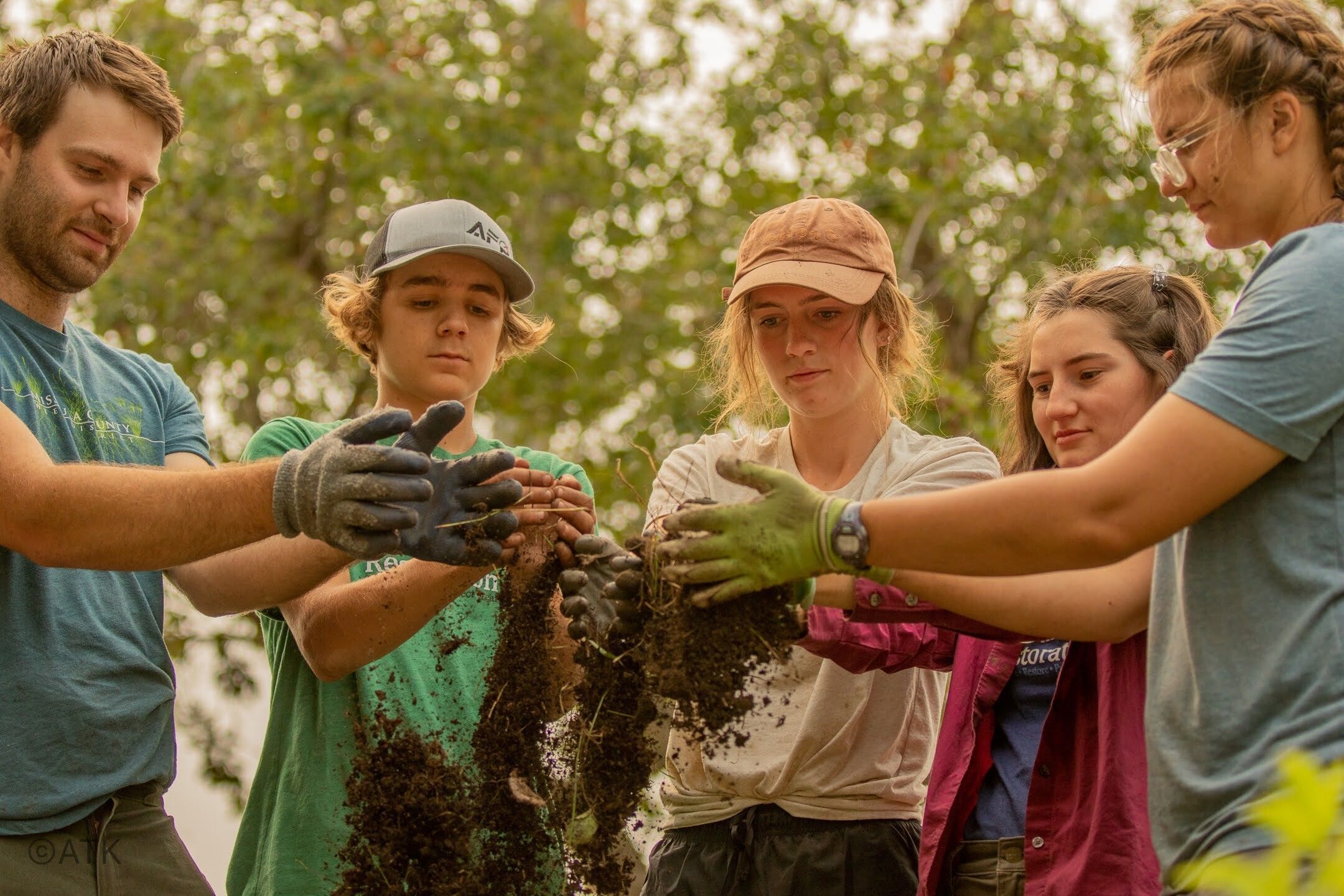
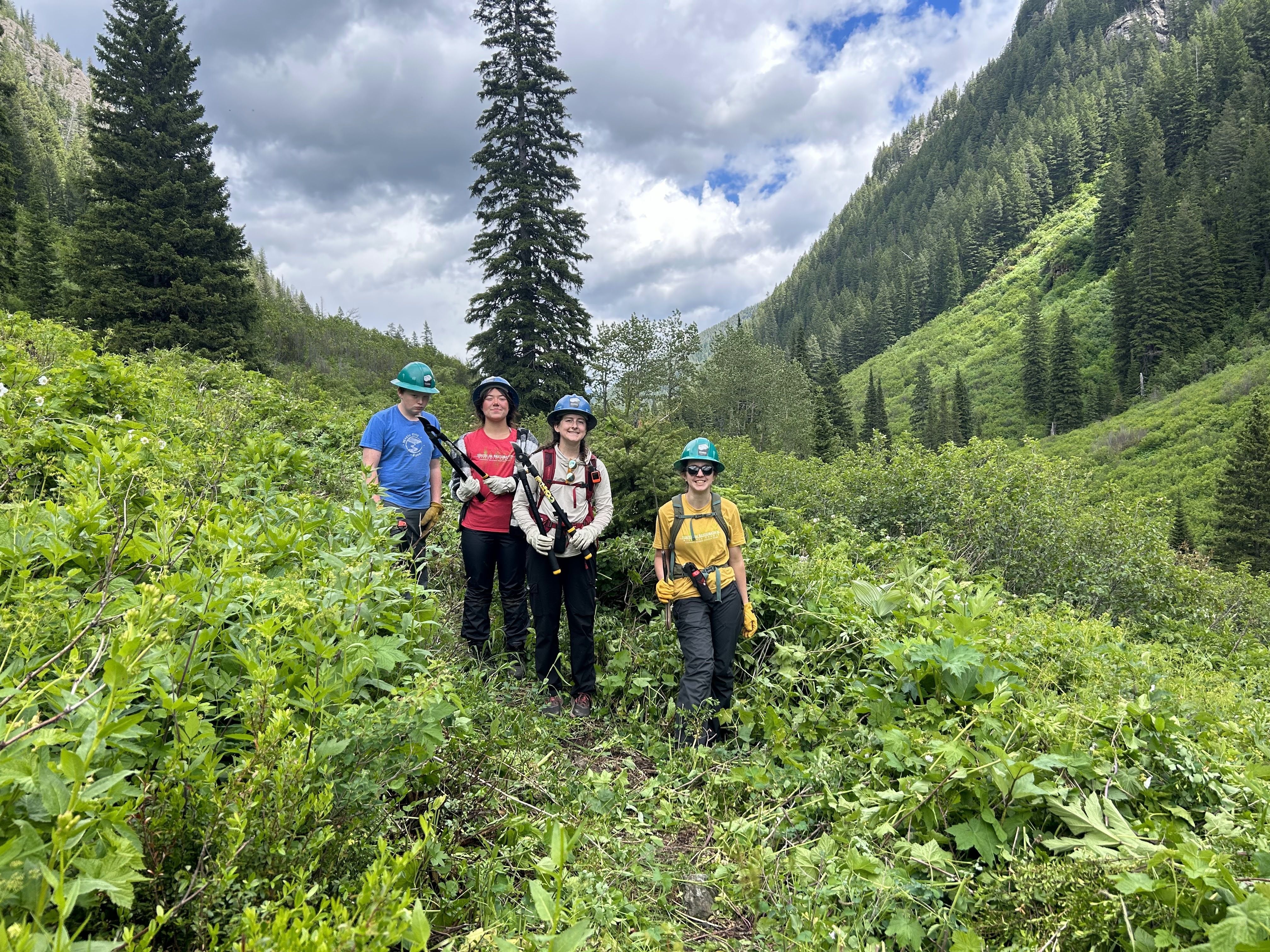 Youth in Restoration Program
What an amazing experience for my teen. Thank you!
-
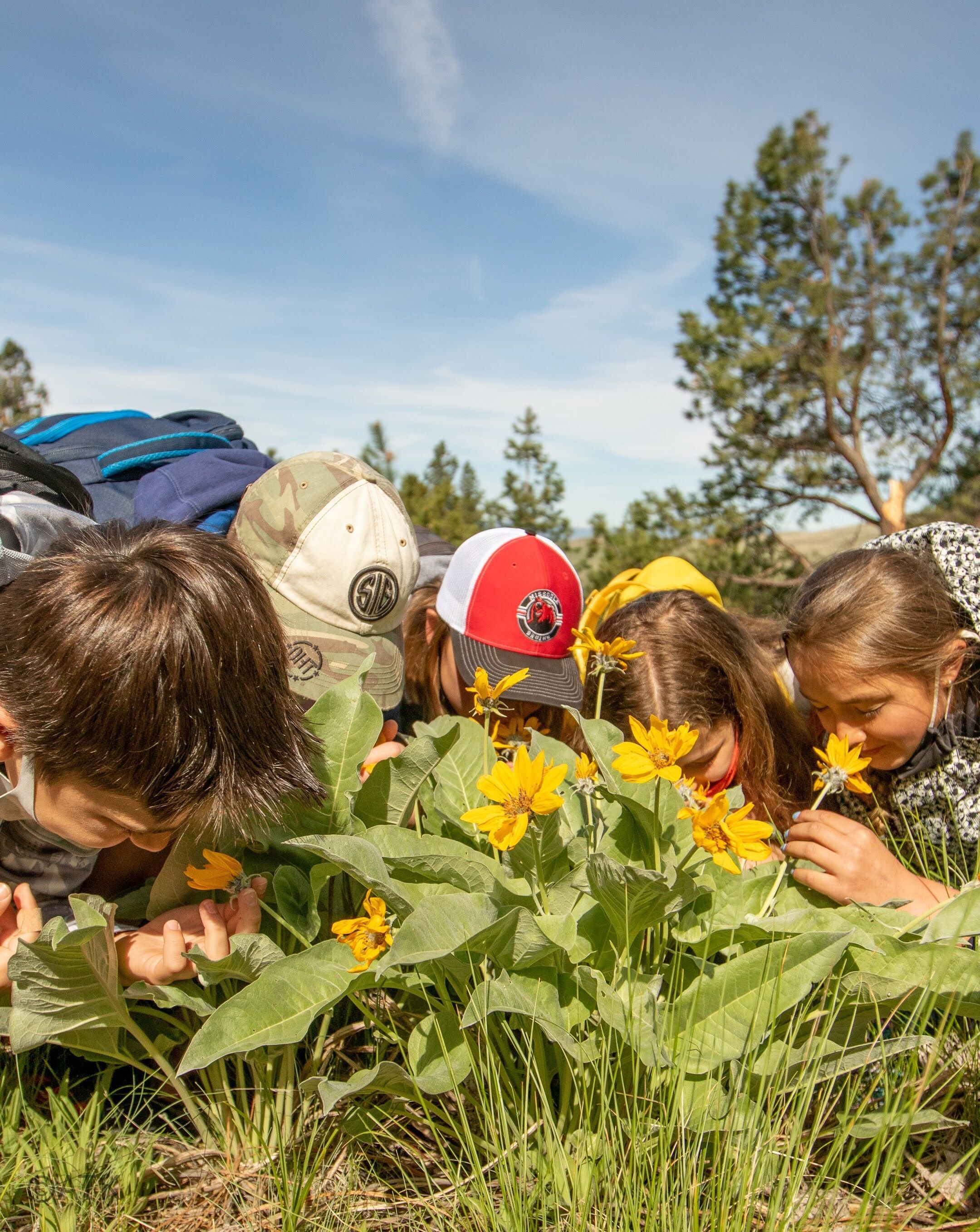 Leave No Weeds 5th Grade Program
I loved how active the field trip was! My (very active) class thrived on this trip and they loved their learning! Thank you!
From the Blog
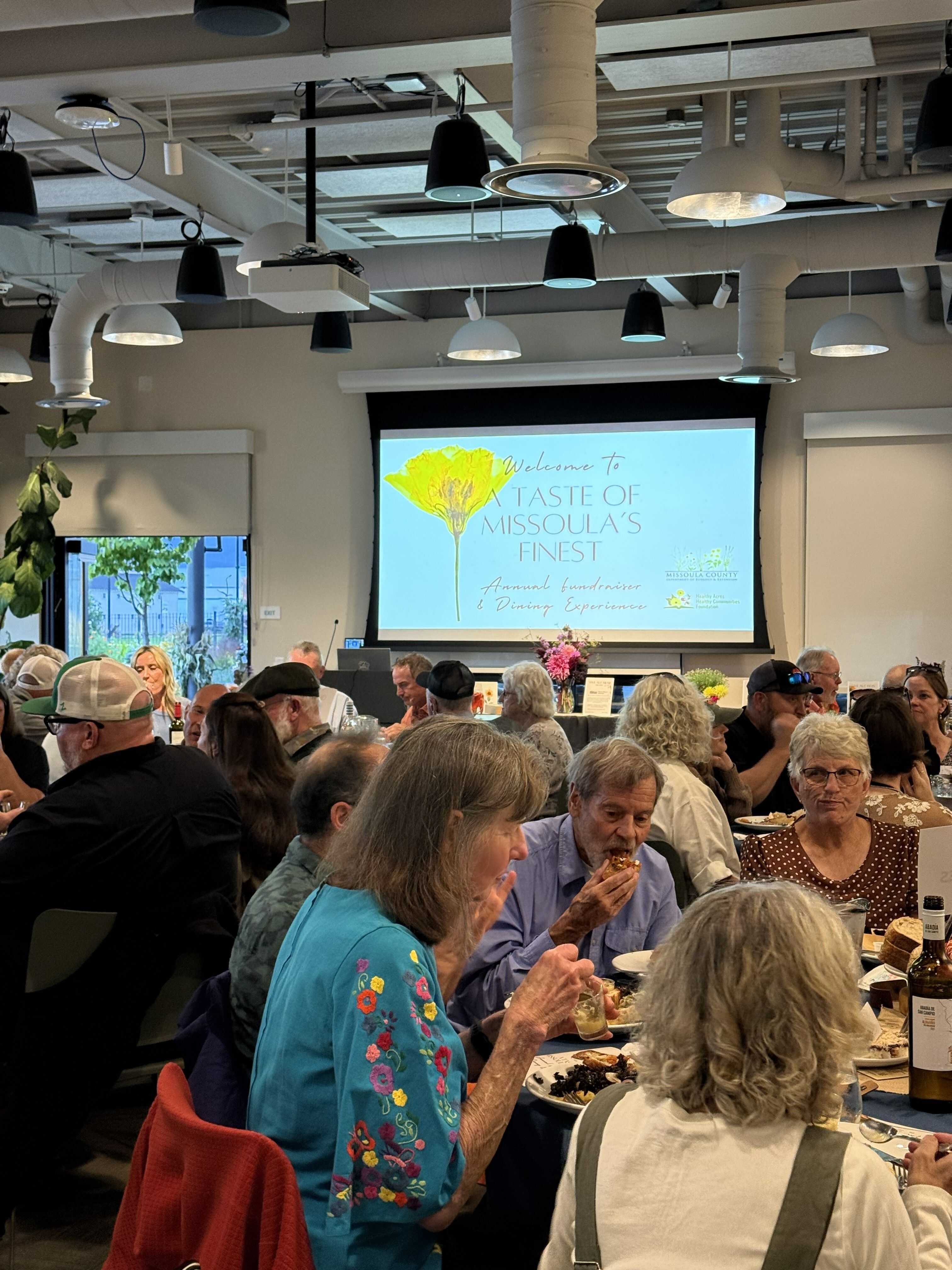
Annual community fundraiser raised nearly $45,000 in support of the Healthy Acres Healthy Communities Foundation and the programs of the Missoula County Department of Ecology & Extension.
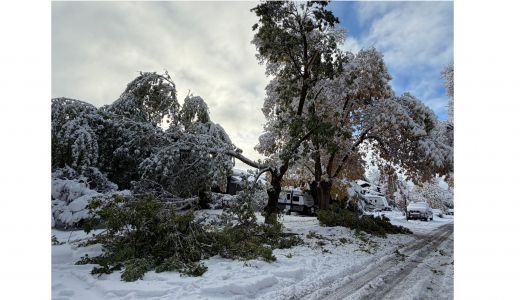
The recent snowfall across Montana arrived before many trees and shrubs had fully dropped their leaves. This can create conditions that can lead to significant branch bending, splitting, and breakage. While snow is a welcome source of moisture, heavy, wet snow can quickly accumulate on leaves and branches, dramatically increasing the weight that young trees and shrubs must support. Trees that normally handle winter snow well may be at greater risk when snowfall occurs before leaf drop because the remaining foliage provides additional surface area for snow accumulation.
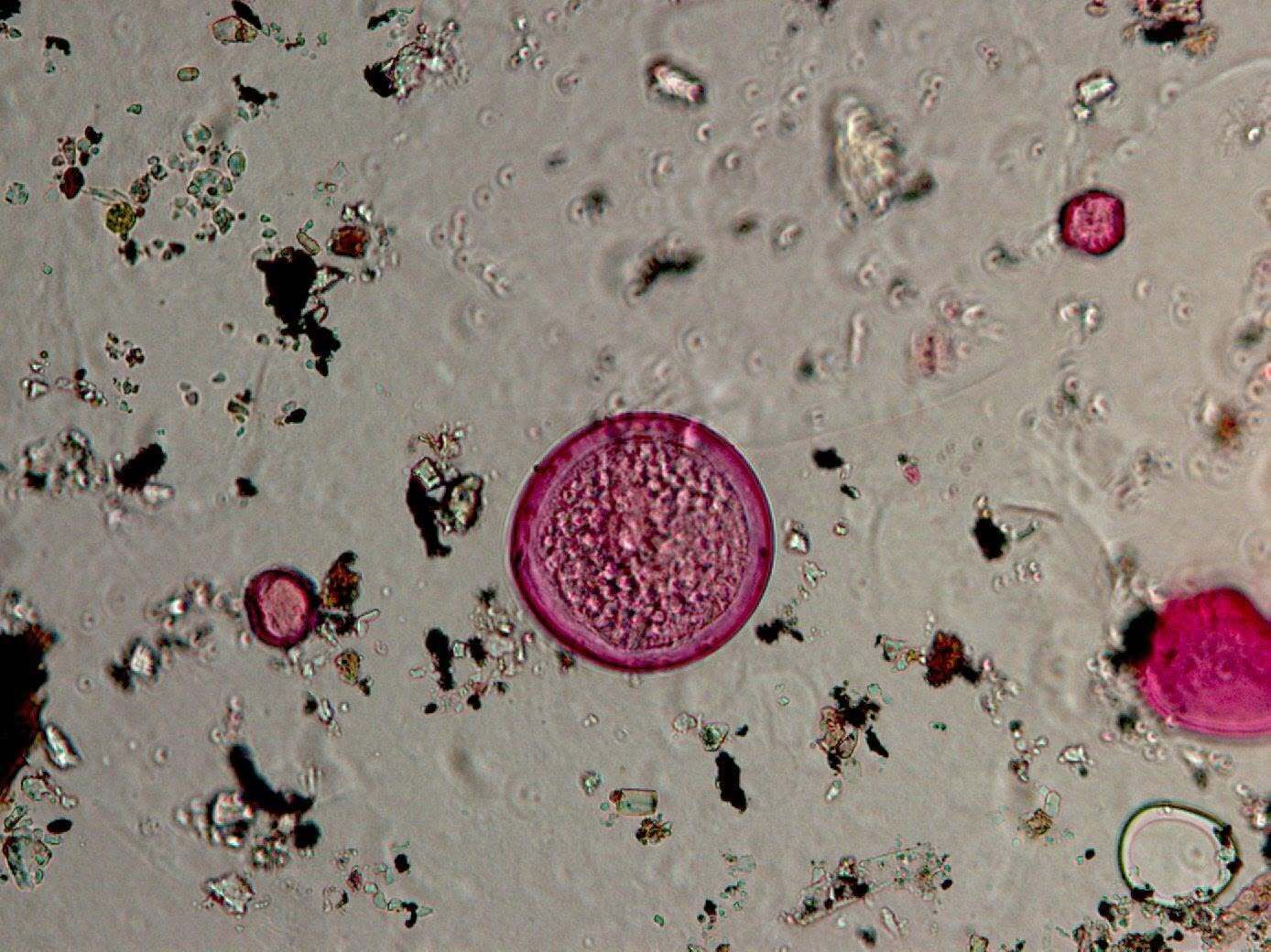
For twenty years, the Missoula Pollen Station has provided western Montana with seasonal pollen reports. These reports identify wind-pollinated plant species and their abundance between March and October of every year. We provide weekly pollen reports to Western Montana residents and allergists.


