June 22–29 is National Pollinator Week, a time to celebrate the insects and animals that make healthy ecosystems and food production possible—and a reminder that these species need our attention and support. Throughout the week, our department is hosting events and educational opportunities focused on pollinators and the role they play in our landscapes and agriculture.
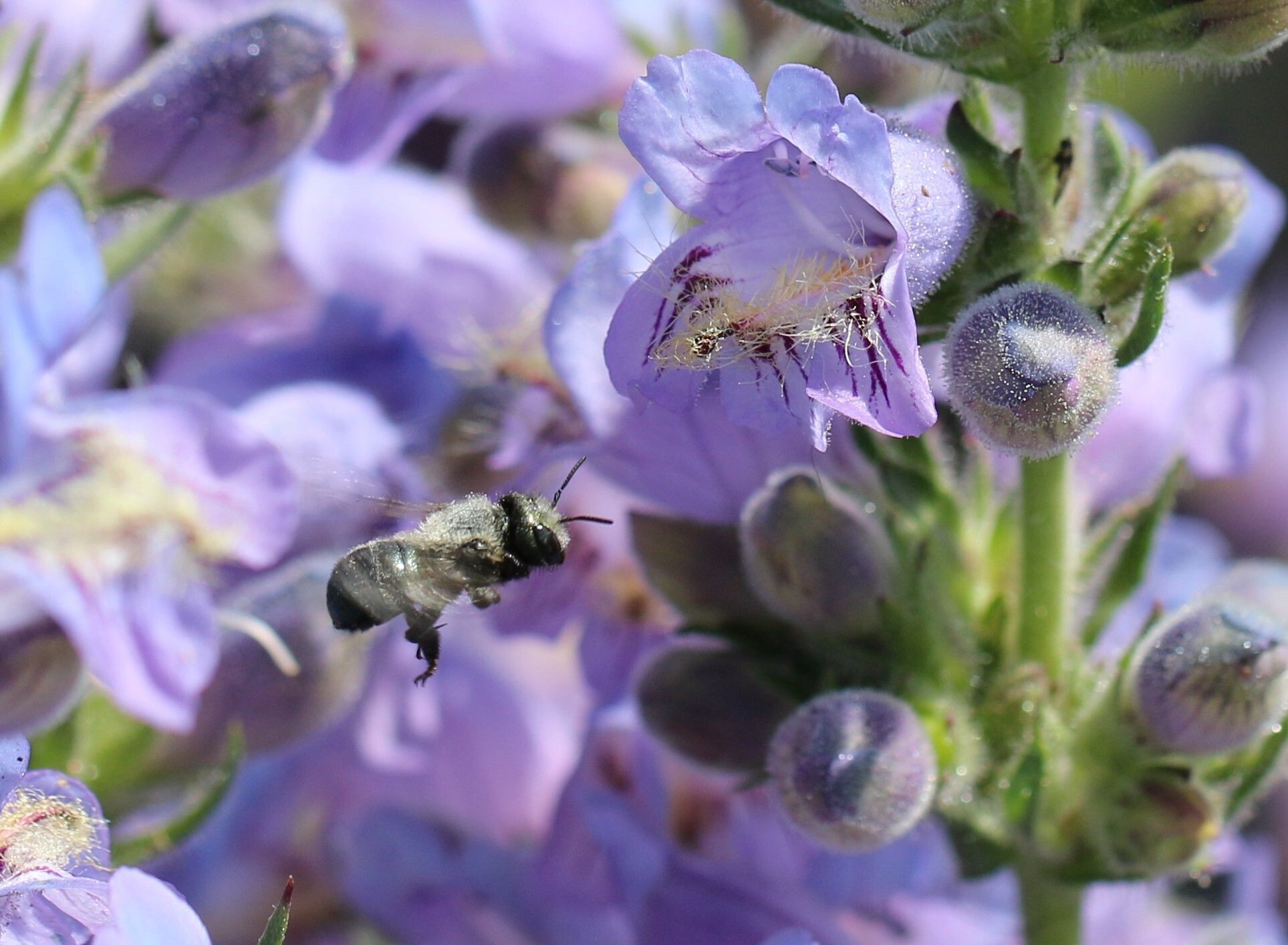
When people hear about pollinator decline, they often think of honey bees. Honey bees are a non-native domesticated livestock species and are important agricultural pollinators, but they’re more like chickens or sheep than wild native insects. And they are just one species among thousands of pollinating insects! Montana is home to roughly 700 species of native bees, with more than 230 species documented in Missoula County. And bees are not the only pollinators! Many butterflies, moths, beetles, flies, and wasps also pollinate plants and help keep our ecosystem functioning. This diversity of pollinators is closely tied to the diversity of plant communities, supporting resilient ecosystems and a wide range of native flora.
This diversity is not something we can take for granted! Research suggests that insect populations, including many pollinators, are declining globally by roughly 1–2% per year. While that may not seem dramatic from one year to the next, the cumulative impact is significant. A recent study found that butterfly populations in the United States declined by 22% between 2000 and 2022. In other words, nearly one-quarter fewer butterflies are flying across our landscapes today than there were at the start of the century.
These trends point to a broader pattern of change in insect communities, with implications for both natural ecosystems and human-managed landscapes. Fortunately, there are also well-documented ways that individuals can support pollinators in their own spaces.
Plant Native Plants
One of the most effective strategies is planting native plant species. Whether you have a large yard, a small garden, or a few containers, prioritizing plants native to our region can make a meaningful difference.
Native insects and native plants have evolved together over thousands of years. These plants provide the nectar, pollen, leaves, and other resources insects need to complete their life cycles. Even small additions of native plants can increase habitat value for pollinators.
Be More Tolerant of Insects
Another important practice is rethinking how we view insect presence and plant damage, along with reducing unnecessary pesticide use.
Not all insect feeding is harmful in an ecological sense. Many insects depend on plants as part of their life cycle. Caterpillars—the larval stage of butterflies and moths—require leaves to grow and develop before becoming adults. Supporting butterflies includes not only nectar sources for adults, but also host plants for caterpillars. You can't have butterflies without a caterpillar!
A small amount of leaf damage is often a sign of ecological activity rather than a problem to be corrected. In many cases, it indicates that a landscape is functioning as habitat. Yay, success!!
Leave the Leaves
A third way to support pollinators is to leave some natural debris in place. Not every part of a yard or garden needs to be highly maintained! Small areas of fallen leaves, standing stems, or brush piles can provide important overwintering habitat for insects. Unless dealing with noxious weeds, retaining organic material on site can support a range of pollinator life stages.
Many species overwinter or nest in hollow stems, leaf litter, or sheltered debris. Maintaining these features helps preserve habitat continuity within developed spaces.
Learn More About Insects and Spread the Word!
Want to learn more about the fascinating world of insects and the challenges they face?
Join us for a screening of The Little Things That Run the World, a documentary by Doug Hawes-Davis, at the Roxy Theater on Tuesday, June 23 at 7:00 p.m. The film explores the importance of insects and the patterns and implications of their decline.
On Wednesday evening, visit the Rocky Mountain Gardens! Want to contribute to community science efforts? Learn how to use the iNaturalist app and contribute observations documenting pollinators and the plants they use. Interested in creating habitat at home? Register for a bee hotel workshop, one of our garden programs, or our popular ReWild Your Yard workshop, offered each spring and fall.
Pollinator Week is a wonderful opportunity to celebrate these small but mighty creatures, but supporting pollinators doesn't have to stop after one week. By planting native species, reducing pesticide use, and creating habitat where insects can thrive, each of us can help make Missoula County a pollinator paradise.
We hope to see you at one of our upcoming events!
Buy tickets to Little Things That Run the World: https://www.theroxytheater.org/show/the-little-things-that-run-the-world-2/
Photo credit: Marirose Kuhlman


