
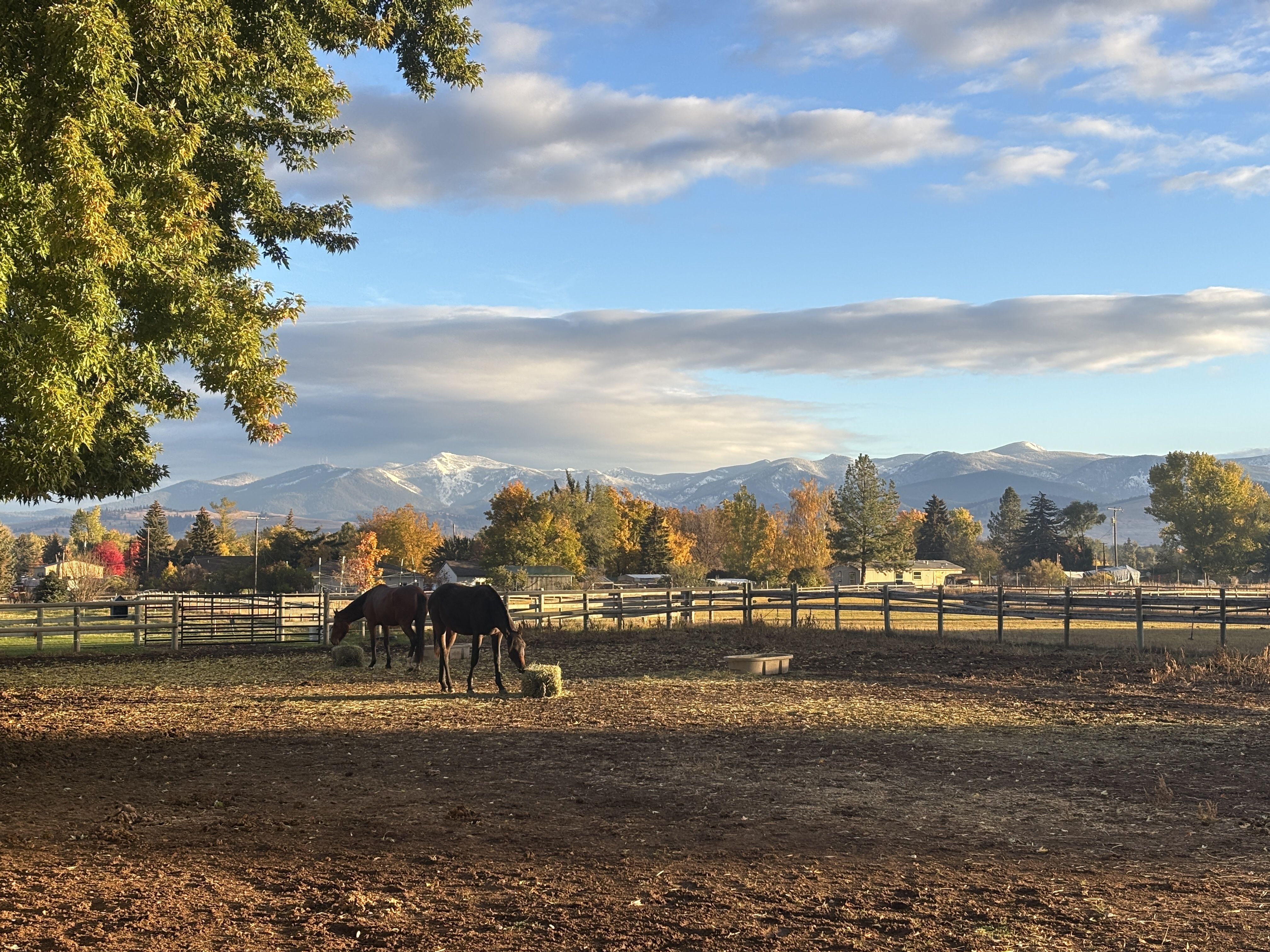
If I’ve learned anything in my nearly 2-year tenure with the Department of Ecology and Extension, it’s the value of fall months to your land management plan. Astronomically, fall in Montana came the evening of September 22, 2026, but the previous weeks of rain broke a long summer heat streak and foreshadowed the changing colors.
Several transitions begin to happen in late September: irrigation systems slow and get turned off, the smell of heat systems coming on fills the air, cool season grasses come out of summer dormancy for another gasp, and winter annual seeds sprout. It’s because of these last two transitions that fall is such a critical time of year to accomplish your revegetation and weed control goals! Let’s review some of the ways in which you can improve next year’s pasture with actions taken this fall.
If you have questions about any of the action items listed below, contact your county’s agriculture/natural resources extension agent.
- Rest desirable grasses: If you’ve been grazing horses or livestock on your pastures all summer, now is a great time to move them to sacrifice areas, feed more hay, and allow the desirable grass plants to “refuel” before winter dormancy. You might need to rest these plants for 21 days or more for them to reach four to six inches tall. This will ensure the grasses are well prepared for winter and ready to sprout vigorously in the spring. In addition, do NOT allow horses on high-quality pastures during fall rains. Just a few hours of turnout on wet pastures will preemptively turn your pastures to mud and create opportunities for weeds to flourish.
- Cool-season grass seed planting: Seeds of cool-season grass plants that our horses and livestock enjoy can be planted in late fall. Fall planting (can be as simple as hand tossing seeds in bare patches) gives the desirable grasses an advantage over unwanted weeds come spring. Check your local seed provider for pasture seed mixes that are well suited for our area and your land management goals.
- Fall herbicide applications: Many perennial and biennial noxious weeds (i.e. Spotted Knapweed, Canada Thistle, common tansy, and Leafy Spurge) are very susceptible to herbicides during their fall regrowth. Fall applications can save you time and money in the constant battle against these weeds.
- Keep irrigating: Continue to irrigate desirable grasses as long as you can without risking freeze damage to your irrigation systems. The desirable, cool-season grasses are busy building new root material, storing energy for winter dormancy, and laying a foundation for next year. Keep them growing by irrigating your pastures through the dry spells of fall months.
- Spread compost: Spreading horse and livestock manure now onto the poorer-performing areas of your pasture will increase organic matter where it is most needed. I like to focus my manure spreading on the areas where my horses have grazed too low and not defecated. The composted manure will help nurture and protect the stressed plants in those areas.
- Soil testing: Fall soil testing can be valuable if you’re worried about limiting nutrients. Keep in mind that nutrients, nitrogen especially, move considerably in the soil over the winter months, so fall soil testing might not be a great indicator of spring nutrient availability. However, testing for pH, phosphorus, and potassium will give you the information you need to problem-solve issues.
As you can see, good land management practices do not end at the end of the grazing season. Steps taken during the fall months will have ripple effects in the spring and in multiple years to come. Know that overgrazed pastures in the fall will be stunted by at least 30-60 days in the spring. The consequences of this stunting are a) weeds are more competitive, b) less total grass in 2027, c) higher risk of laminitis for horses, and d) shorter grazing seasons to come. Be strong and keep horses and livestock confined to sacrifice areas in the wet weeks of fall. Practicing these six actions will ensure that you have grass to graze year after year and will increase your wins in the constant battle with weeds.


