
Blooms & Brews: The Rhythm of the Night
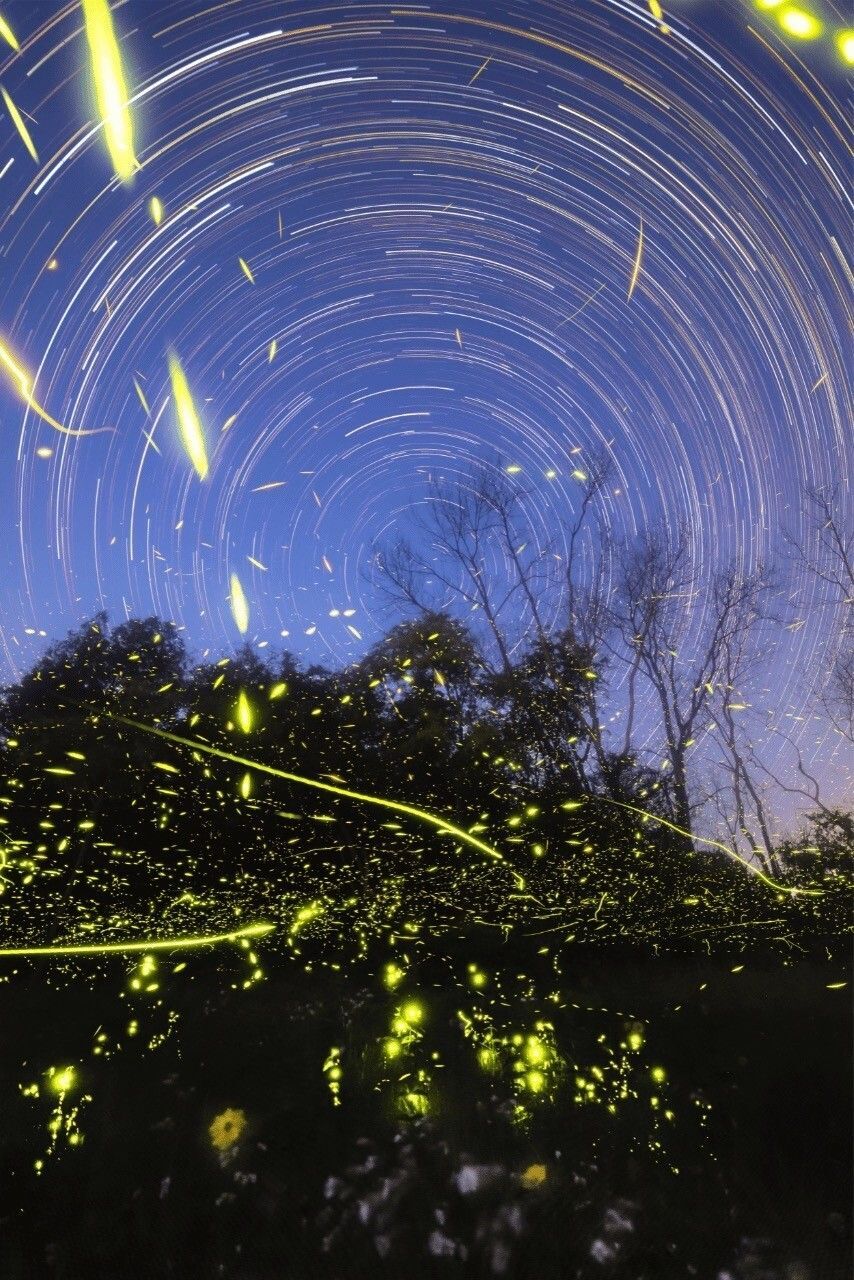
Anyone who enjoys looking up at the starry night sky has probably noticed how city lights degrade the view. But did you know that what astronomers call “light pollution” can impact plants and animals too? Darkness is just as important as daylight to many species. Altering the natural rhythm of light and dark can lead to some surprising and deleterious effects. By understanding what kind of lighting is harmful — and what better alternatives exist — we’ll learn how to make the lighting around your home and community more friendly. We’ll conclude with a walk through the Rocky Mountain Gardens to look at the night with a fresh perspective.
Chad Moore holds a Masters’ Degree in Earth Science from Montana State University and began investigating light pollution when he formed the National Park Service Night Skies Team in 1999. Chad and his team travelled to remote mountaintops and distant islands to document the increase in light pollution and all that light pollution affects. Their work sparked an understanding of how endangered the night has become. Chad also co-developed new approaches to conservation with DarkSky International, which has resulted in hundreds of Dark Sky Parks and Preserves across the globe. He continues to work with non-profit organizations after departing the NPS.